


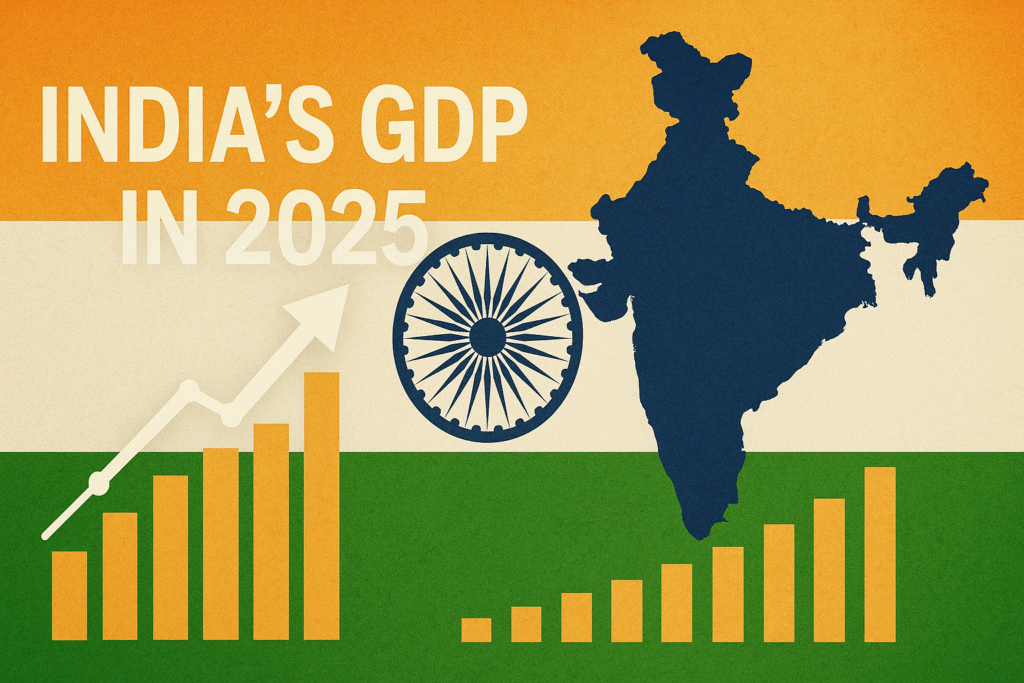
Why India’s GDP in 2025 Matters
What is GDP and Why Should You Care?
Gross Domestic Product (GDP) is the sum valuation of goods and services produced in a nation during a given period of time. It is the most accepted measure to determine the well-being of a nation’s economy. There are two main ways of measuring GDP:
Nominal GDP: Measured at current market exchange rates.
Purchasing Power Parity (PPP): Cost of living adjusted—equivalent to the amount of local currency that, in local markets, can be bought.
India’s 2025 GDP Position
By 2025, India assumes its place:
- $4.19 trillion in Nominal GDP — 4th largest in the world.
- $17.65 trillion in PPP GDP — 3rd largest, behind only China and the USA.
This isn’t about bragging rights. A robust GDP translates into more investment, more employment, and more opportunities for ordinary citizens.
In this article, we discuss the Top 5 fundamental facts about India’s GDP—size, major sectors, growth drivers, position in the global arena, and future potential.

India is the 4th Largest Economy by Nominal GDP
India’s economic journey is nothing short of remarkable. From a rural economy to a global superpower, it has ascended the GDP list through sheer determination and revolutionary changes.
India’s projections for 2025:
- Nominal GDP: $4.19 trillion (4th in the world)
- GDP (PPP): $17.65 trillion (3rd globally)
India is now only behind the United States, China, and Japan in the nominal context and has surpassed both Japan and Germany in the PPP context.
How Did We Get Here?
The turning point arrived in 1991 with economic liberalization—a point that exposed India’s economy to global trade, investments, and the private sector. India’s growth path has been spiraling upward ever since.
Sector-Wise Contribution:
- Services Sector: 54.7%
- Industry: 27.6%
- Agriculture: 17.7%
A pie chart showing the percentage of GDP by sectors for 2025.
This diversified composition has kept India stable in the face of international shocks, including the COVID-19 pandemic and current geopolitics tensions.

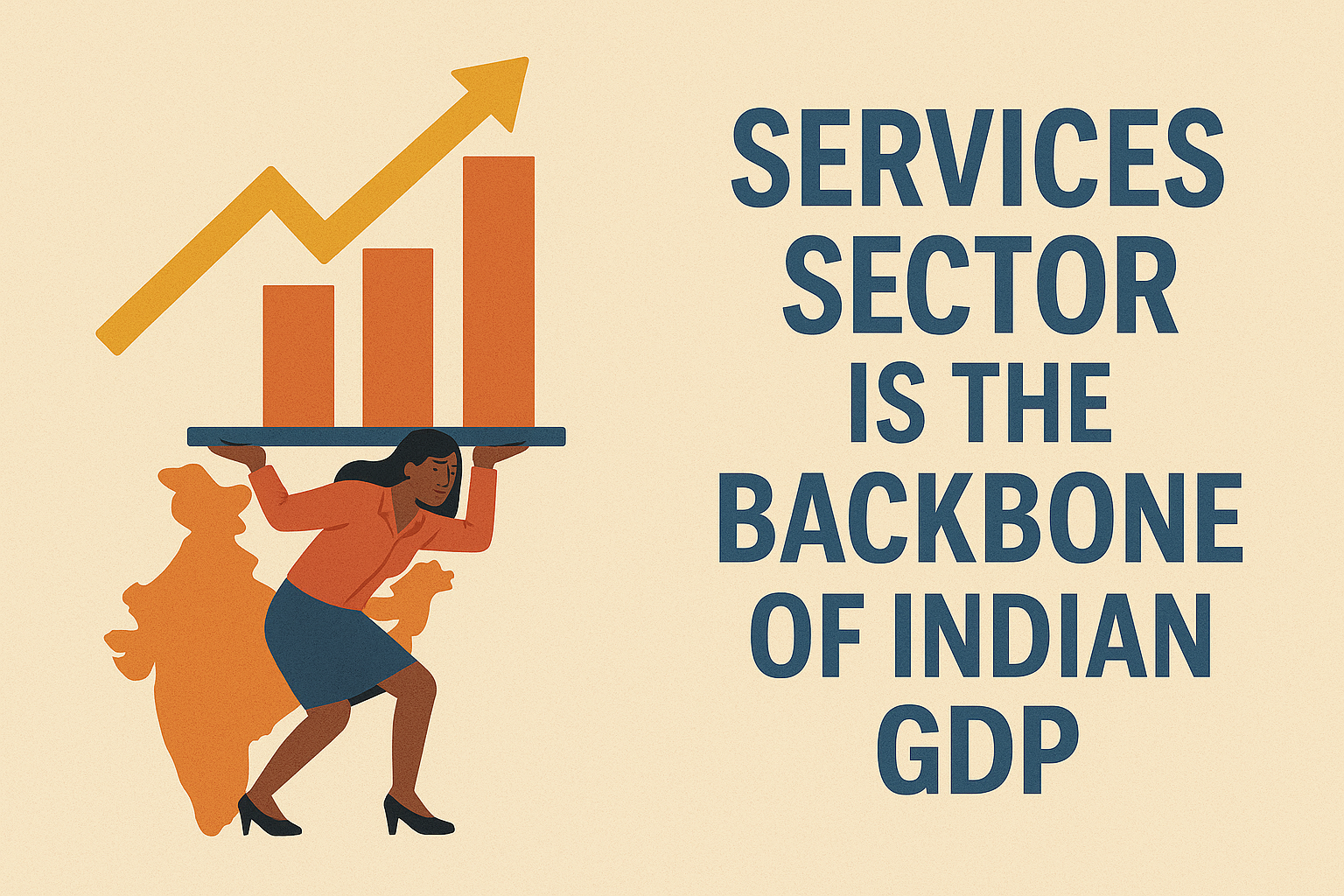
Services Sector is the Backbone of Indian GDP
The real star of Indian economic emergence is its services sector, which contributes over 54% of GDP. From Bengaluru to Hyderabad, Indian cities have become the global back offices of the world.
Major Contributors to Services:
- Information Technology (IT)
- Finance and Insurance
- Telecommunications
- Hospitality and Tourism
India’s IT sector alone earns revenues of more than $245 billion and is a significant export earner. TCS, Infosys, and Wipro are global brand names.
India: A Global Financial and Technological Hub
India is in the top 5 in digital outsourcing nations.
FinTech has developed further, and online payments are now an everyday phenomenon in urban and even rural areas.
Telecom revolution has enabled access to internet for 800+ million consumers.
Work and Services
While services contribute to over half the GDP and the employment of about 34% of the workforce, it is a wide range of jobs from app developers to financial analysts and delivery agents.
India’s NSE has risen to be the second-largest stock exchange by trades, a tribute to the booming financial services industry.
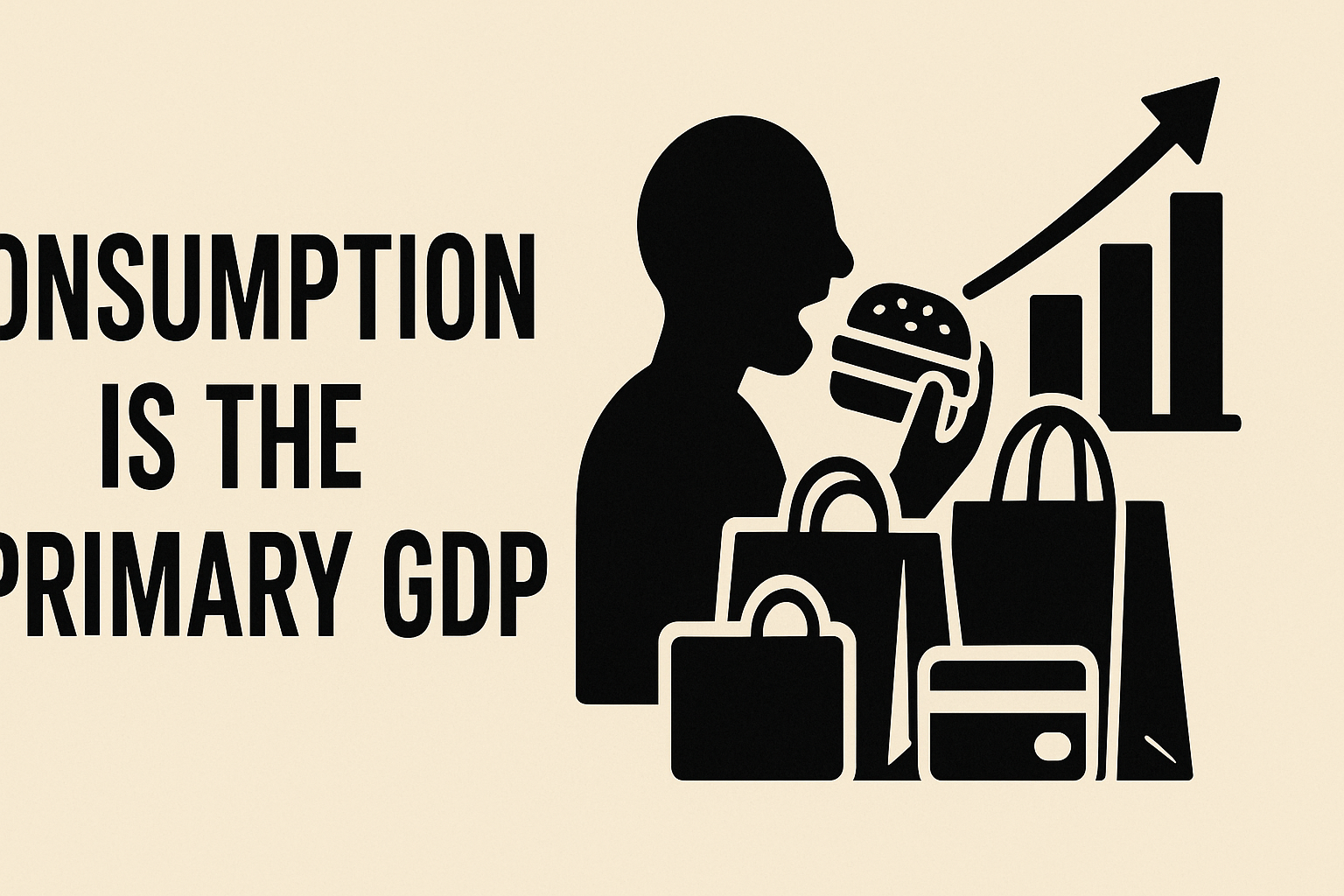
Consumption is the Primary GDP Driver
India’s economy is consumption-led, and therefore you and I, in our day-to-day spending, contribute over 56.3% of GDP through private final consumption spending (PFCE).
The Power of 1.4 Billion Consumers
The planet’s largest number of young people and emerging middle class, India is now the world’s 4th largest consumer market. Fast food, apparel, or mobile phones, demand is increasing in villages and cities both.
Urban vs Rural Trends:
- Urban India: Technology, lifestyle, and housing spend.
- Rural India: Booming demand for consumer durables, two-wheelers, solar power, and e-commerce.
The subsequent wave brought millions into the digital economy, reviving industries like ed-tech, food delivery, and digital entertainment.
E-Commerce Boom
With e-retail giants such as Flipkart, Amazon, and Meesho growing aggressively, web consumption now accounts for a large portion of retail sales.
Emphasize
“India is the world’s fourth-largest consuming market – demand-driven domestically.”

Fastest Growth Among Major Economies
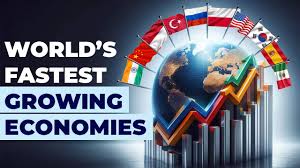
India is not merely big; India is also rapid. In fact, in recent years, India has often been the fastest-growing big economy.
Growth Rates Snapshot:
- 2023: 8.2%
- 2024: 7.2%
- 2025 (Forecasted): 6.4%
Despite slowdowns elsewhere in the world, India’s robust domestic demand and improved ease of doing business have maintained the engines humming.
Government policies are driving growth.
- Make in India: Revitalizing manufacturing.
- Digital India: Increasing digital penetration.
- Start-Up India: Encouraging entrepreneurship.
These programs have driven innovation, attracted foreign direct investment, and supported micro, small, and medium enterprises.

Defeating China at Its Own Game?
In 2015, India beat China on GDP growth for the first time. As China’s economy steadies, India is a haven of opportunity, reliably delivering double-digit returns in a variety of sectors—a magnet for investors and development professionals.
India surpassed China’s growth for the first time in history in 2015. Since then, it has been one of the world’s fastest-growing economies.
Leading World Trade and FDI Magnet
India’s foreign trade has been growing at remarkable pace, placing it among leading importers and exporters in the developing world.
Trade Figures (2024–25):
- Exports: $820 billion
- Imports: $915 billion
From software to spices, and petro to pharma, India is trading with more than 200 nations.

Major Trading Partners:
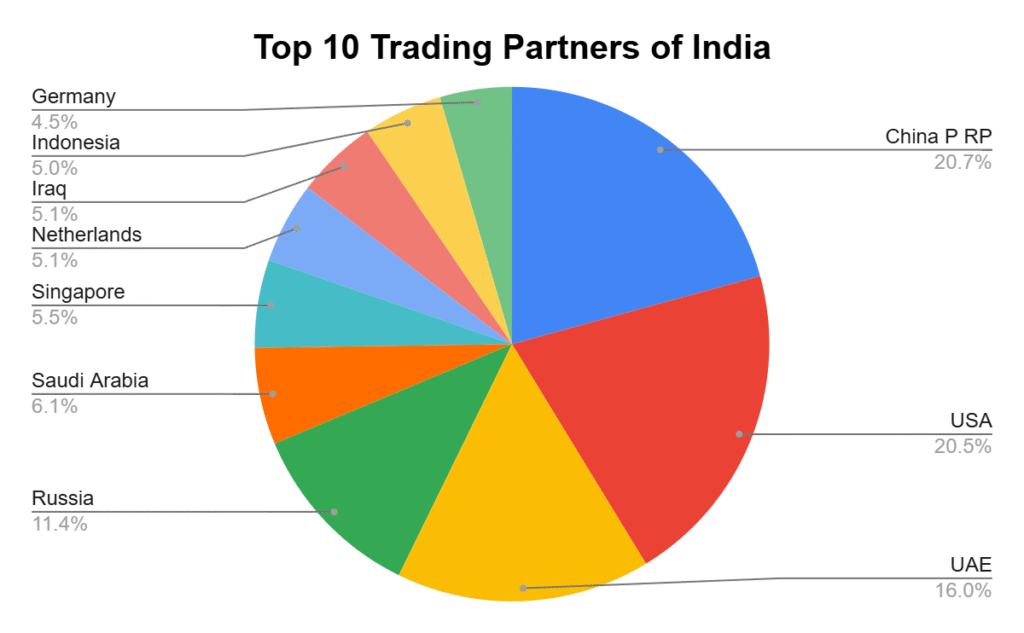
- United States
- European Union
- United Arab Emirates
China India has actively been joining Free Trade Agreements (FTAs) and regional arrangements, thus reinforcing its trade presence.
FDI Trends:
India continues to be a key Foreign Direct Investment (FDI) hub, particularly in:
Finance Telecommunications IT services Green energy These flows propel infrastructure investments, initial capital, and innovation in technology.
Conclusion: The Future of India’s GDP Growth
India’s economic trajectory in 2025 is a rich tapestry of strong numbers and real-life stories. From the booming services industry supporting software exports to the consumer driving demand, India’s GDP reflects the strength and dreams of over a billion people.
With the expansion of online platforms, an emerging workforce, and ambitious reforms, the potential is thrilling. If the ongoing trends continue, India has the potential to become a third-largest economy in nominal terms by 2028.
What industry do you think will drive India’s GDP in the next 10 years? Tell us in the comments!