


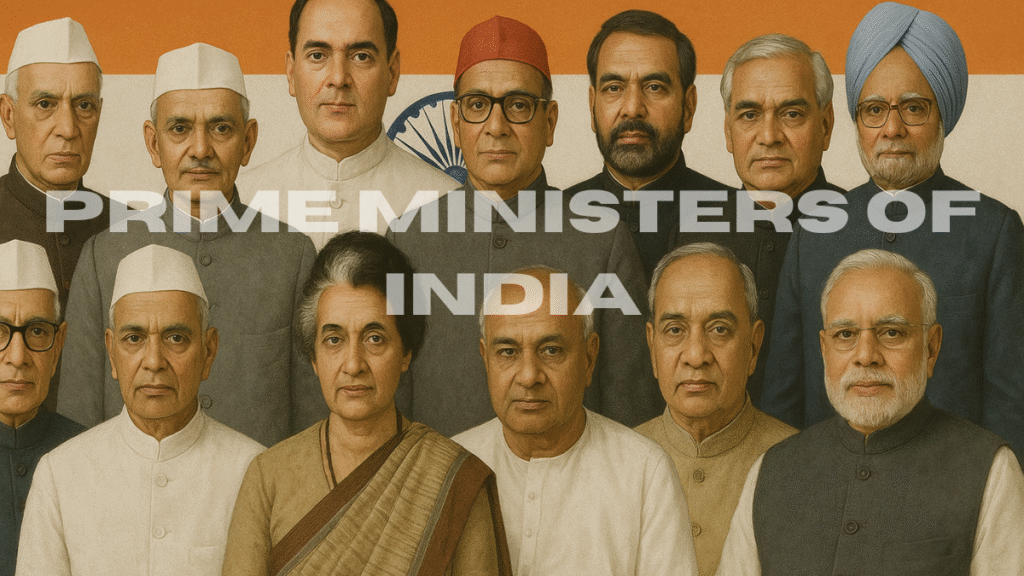
Why Prime Ministers Matter More Than Ever
The story of India is best described through the life of its Prime Ministers. From guiding a newly independent country in its formative years to making it a global power, India’s Prime Ministers have defined its destiny in a manner nobody else could.
Did you know that India’s first Prime Minister, Jawaharlal Nehru, held office for over 17 years—the longest tenure of any Prime Minister? Or that three Prime Ministers held office for less than a year? Each one of them is marked by a story of challenge, vision, and legacy.
Understanding the Prime Ministers of India is not only important for exam aspirants and voters—it’s essential to understanding modern India itself. Whether you’re studying for UPSC, SSC, or just studying Indian politics, understanding these leaders enhances your understanding of India’s democratic evolution.
Here, we do not simply name-drop. We look at the contribution of every Prime Minister, reveal surprising facts, and offer an intriguing glimpse into how they influenced the political, social, and economic landscape of India. So, buckle up—here’s a ride through the corridors of power in India, filled with achievements, scandals, and game-changers that have resulted in the India we know and love today.
What Does a Prime Minister Actually Do?
The Prime Minister (PM) is the strongest political leader in the Indian democratic system—the actual executive head of the government.
Visualize India as a giant company called “India Inc.” The symbolic Chairperson is the President and the CEO is the Prime Minister—the one who controls day-to-day functions, formulates policies, and represents the company (country) in the world arena. The Prime Minister is the one who chairs meetings of the cabinet, makes strategic decisions, and represents India at global summits.
As per Articles 74 and 75 of the Indian Constitution, the President appoints the PM but should be supported by the majority in the Lok Sabha. The PM appoints ministers, supervises their work, and coordinates their work.
While the President is the head of state, the head of government is the Prime Minister.
The PM also holds the key position of budgeting, proposing major changes, dealing with crises, and overseeing foreign policy. From speaking to the nation to taking major strategic military choices, the PM’s presence is felt at all levels of governance.
Simply put, without a strong Prime Minister, a country as diverse and dynamic as India risks falling into political drift. That’s why this role is not merely important—it is absolutely indispensable.
Complete List of Prime Ministers of India
| Name | Term | Party | Age at Start | Duration |
| Jawaharlal Nehru | 1947–1964 | Indian National Congress | 58 | 17 years |
| Gulzarilal Nanda | 1964 (Acting), 1966 (Acting) | Congress | 65 | Few days each |
| Lal Bahadur Shastri | 1964–1966 | Congress | 60 | 1 year, 7 months |
| Indira Gandhi | 1966–1977, 1980–1984 | Congress | 48 | 15 years total |
| Morarji Desai | 1977–1979 | Janata Party | 81 | 2 years |
| Charan Singh | 1979–1980 | Janata Party (Secular) | 77 | 6 months |
| Rajiv Gandhi | 1984–1989 | Congress | 40 | 5 years |
| V. P. Singh | 1989–1990 | Janata Dal | 58 | 1 year |
| Chandra Shekhar | 1990–1991 | Samajwadi Janata Party | 63 | 7 months |
| P. V. Narasimha Rao | 1991–1996 | Congress | 70 | 5 years |
| Atal Bihari Vajpayee | 1996, 1998–2004 | BJP | 71 | 6+ years |
| H. D. Deve Gowda | 1996–1997 | Janata Dal | 63 | 1 year |
| I. K. Gujral | 1997–1998 | Janata Dal | 77 | 1 year |
| Dr. Manmohan Singh | 2004–2014 | Congress | 71 | 10 years |
| Narendra Modi | 2014–Present (as of 2025) | BJP | 63 | 10+ years |
Shortest-serving PMs:
- Gulzarilal Nanda (twice, just a few days)
- Charan Singh (6 months)
- Atal Bihari Vajpayee’s first term (13 days)
Longest-serving PMs:
- Jawaharlal Nehru: 17 years
- Indira Gandhi: 15 years
- Narendra Modi: 11+ years (as of 2025)
10 Most Influential Prime Ministers & Why They Mattered
India’s Prime Ministers have not only been politicians—they’ve been country builders of the nation’s socio-political and economic development. Although each PM has made their own contribution, some have had a deep and lasting impact. Below is a critical analysis of ten of India’s best Prime Ministers, selected for their milestone decisions, crisis management, and lasting national impact.

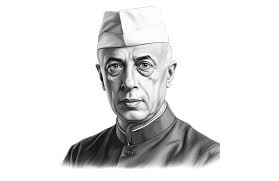
1. Jawaharlal Nehru (1947–1964) – The Nation-Builder
As the inaugural Prime Minister of free India, Jawaharlal Nehru laid the basis of the modern Indian state. Strong in his belief in secularism, democracy, and a scientific temper, Nehru launched policies that promoted education, industrialization, and foreign diplomacy.
He was instrumental in the creation of the top institutions like the Indian Institutes of Technology (IITs), the Planning Commission, and ISRO. His non-alignment policy during the Cold War period gave India a distinctive position within the global community. Although he has been blamed concerning his handling of the 1962 Sino-Indian War, Nehru remains a major player in India’s post-colonial path.
“Nehru gave India its institutions, ideals, and vision of self-reliance.”

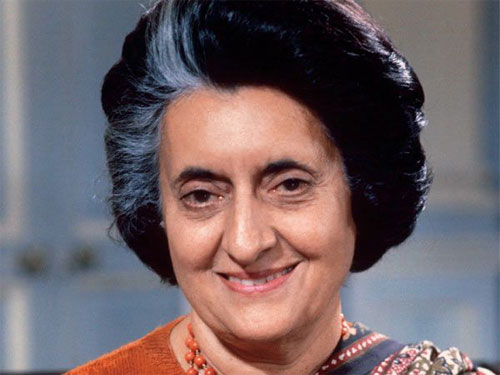
Indira Gandhi (1966–1977, 1980–1984) – The Iron Lady
Indira Gandhi, India’s first and only woman Prime Minister, is best remembered for her bold and sometimes unpopular choices. Her years in office saw high highs and low lows.
She led India to triumph in the 1971 Bangladesh Liberation War, enhancing India’s regional power. But the imposition of the Emergency (1975–77), limiting civil rights and freedom of the press, is a stain on Indian democracy. Nevertheless, her comeback into power in 1980 demonstrated her political durability. She also nationalized the banks and initiated poverty-reduction policies.
“Indira ruled with a subtle mix of compassion and control—dreaded by her opponents and admired by countless others.”

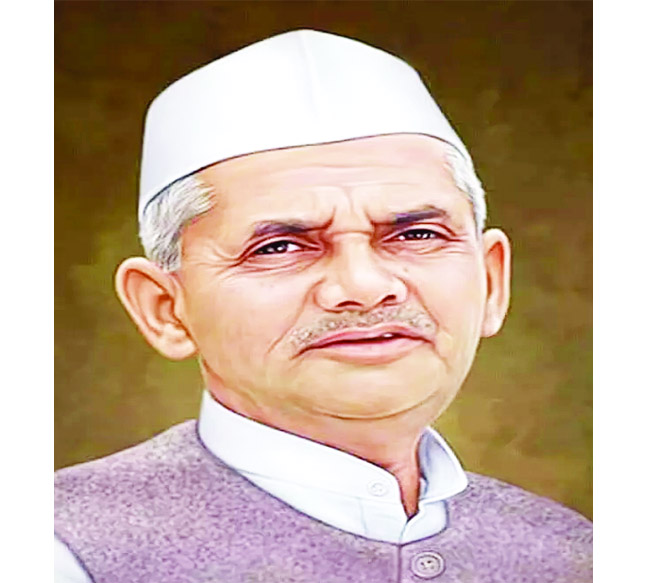
3. Lal Bahadur Shastri (1964–1966) – The Silent Reformer
He was an extremely honest and unassuming person. His relatively brief time in office was significant. He originated the catchphrase “Jai Jawan, Jai Kisan” that spoke well of his emphasis on defense and farming.
He led India through the troubled 1965 war with Pakistan and propagated the Green Revolution, a seminal program that promoted food self-sufficiency. His sudden death in Tashkent, after the signing of a peace agreement with Pakistan, is still shrouded in mystery and cut short a promising period of leadership prematurely.
A quiet man, Shastri’s leadership did not need words.
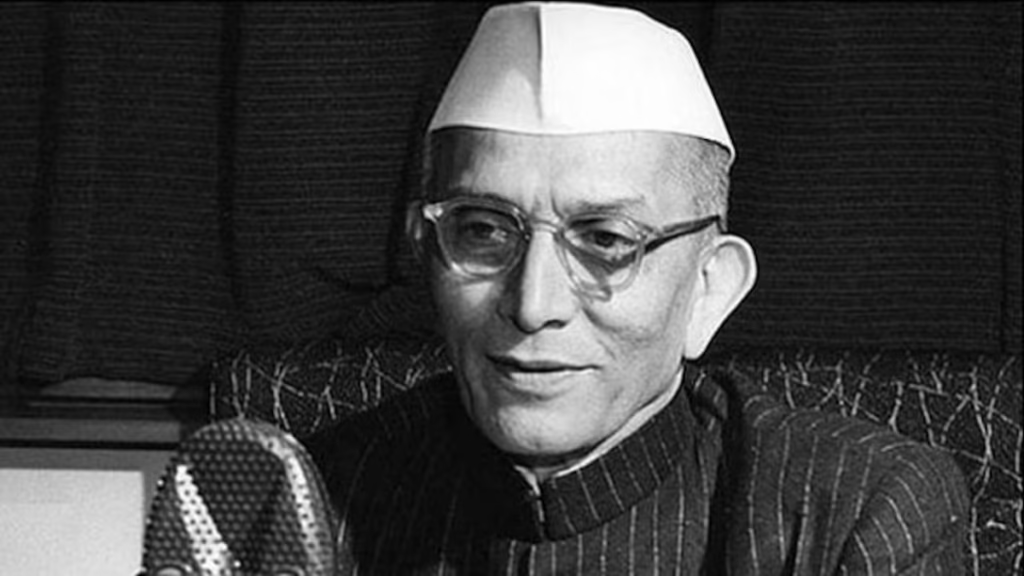
4. Morarji Desai (1977–1979) – The Anti-Emergency Crusader
Morarji Desai became the first non-Congress Prime Minister after the Emergency, heading the Janata Party government. His rise marked a significant milestone in Indian democracy because it showed that power transfer through elections was indeed possible.
He implemented anti-corruption measures and economic austerity, such as devaluation of currency and rationalization of taxes. But internal strife in the Janata Party ended his rule prematurely.
Morarji’s win was a democratic rectification after the Emergency years.

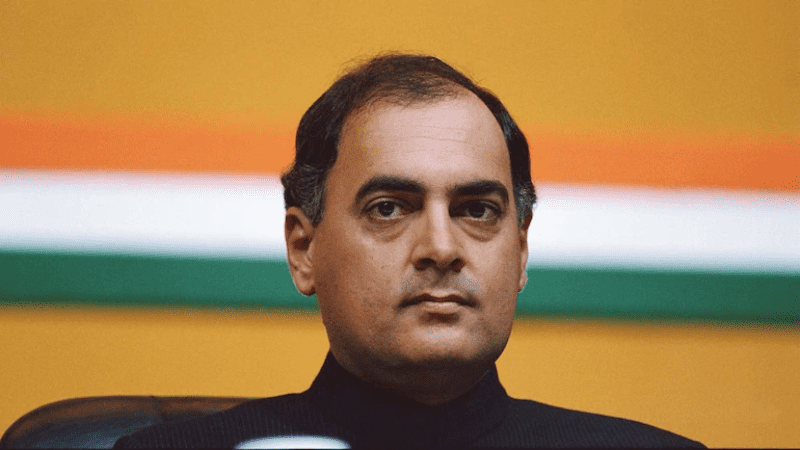
5. Rajiv Gandhi (1984–1989) – The Tech-Savvy Modernizer
Just 40 when his mother, Indira Gandhi, was assassinated, Rajiv Gandhi took over as PM. His youth had a whiff of modernity. He promoted computerization, telecom growth, and education reform, sowing the seeds for India’s IT boom.
Yet his years in power were characterized by such scandals as the Shah Bano affair and the Bofors scandal. Even after losing office, his dream of a digital, modern India was years ahead of its time.
“Rajiv connected India to the computer age much before the world realized its value.”

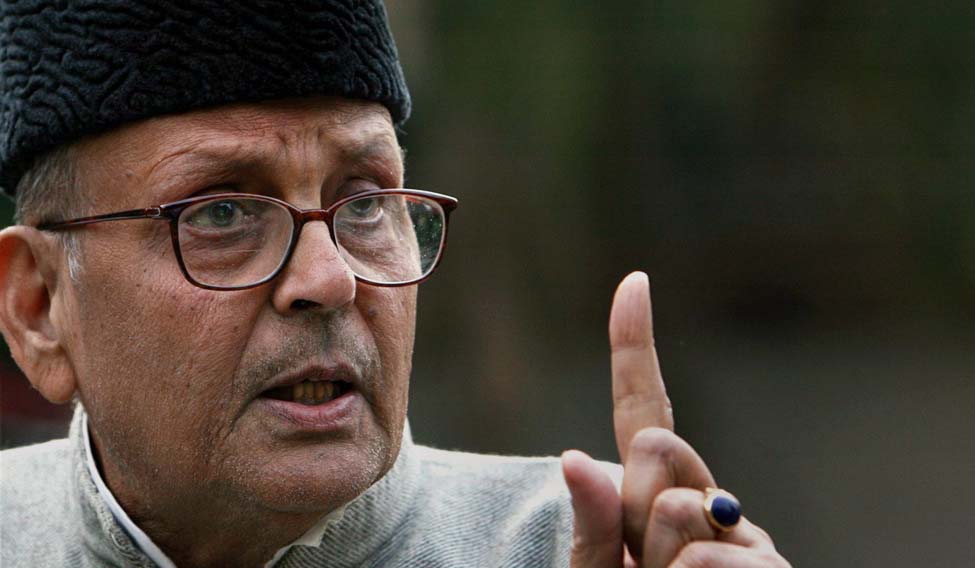
6. V. P. Singh (1989-1990) – The Social Reformer
Despite the shortness of his reign, V. P. Singh revolutionized India’s social landscape. He introduced the recommendations of the Mandal Commission, granting 27% reservations to OBCs in central government employment.
This action sparked nation-wide protests but also accorded political authority to backward classes. He laid the groundwork for social justice politics in India.
“V. P. Singh’s single decision revolutionized the power politics of India.”
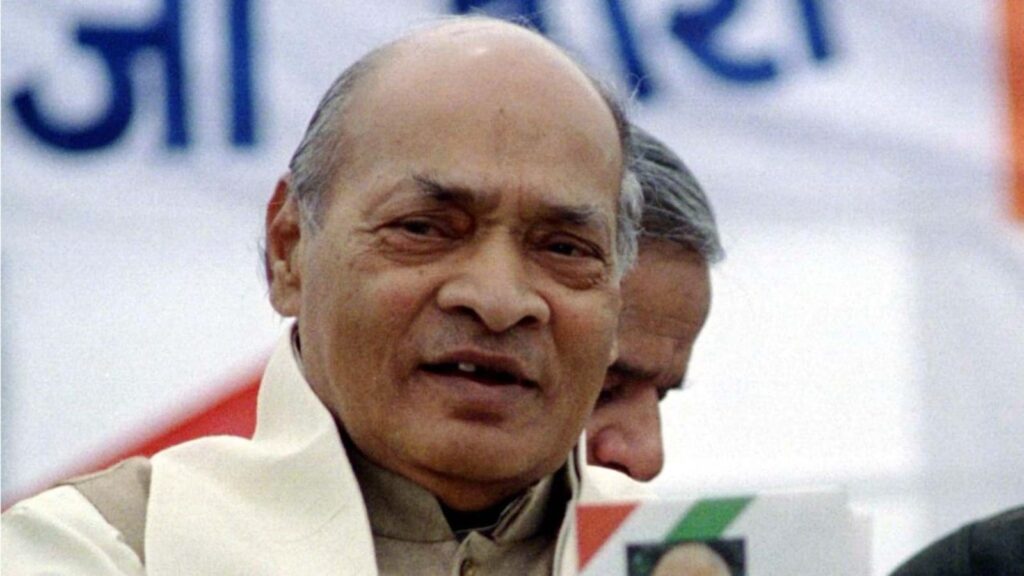
7. P. V. Narasimha Rao (1991–1996) – The Economic Liberator
When India faced a balance-of-payments crisis in 1991, P. V. Narasimha Rao, assisted by his Finance Minister, Dr. Manmohan Singh, initiated path-breaking economic liberalization reforms.
He dismantled the License Raj, liberalized the economy by opening it to foreign investment, and privatized the state-owned sectors. These reforms placed India on the path to becoming an economic superpower of the world. Rao also managed important diplomatic relations and insurgencies skillfully during his tenure.
Rao dismantled a closed economy quietly, bringing in a revolution of free-market ideals.

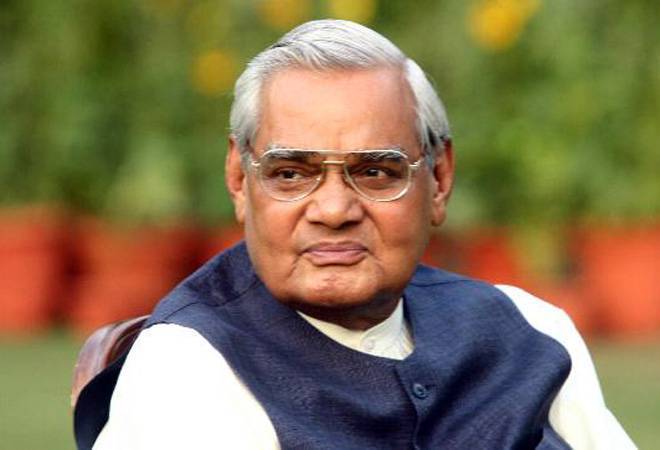
8. Atal Bihari Vajpayee (1996, 1998–2004) – The Poet-Statesman
Famous for his oration and diplomacy, Atal Bihari Vajpayee guided India through some of its most critical phases. India performed the Pokhran-II nuclear tests in 1998 during his tenure, demonstrating strategic autonomy.
He also launched the Golden Quadrilateral road project and worked towards peace with Pakistan through the Lahore Bus Initiative. His shrewd handling of coalitions stabilized India’s first multi-party government.
“Vajpayee mixed poetry and politics and strategy and statesmanship”

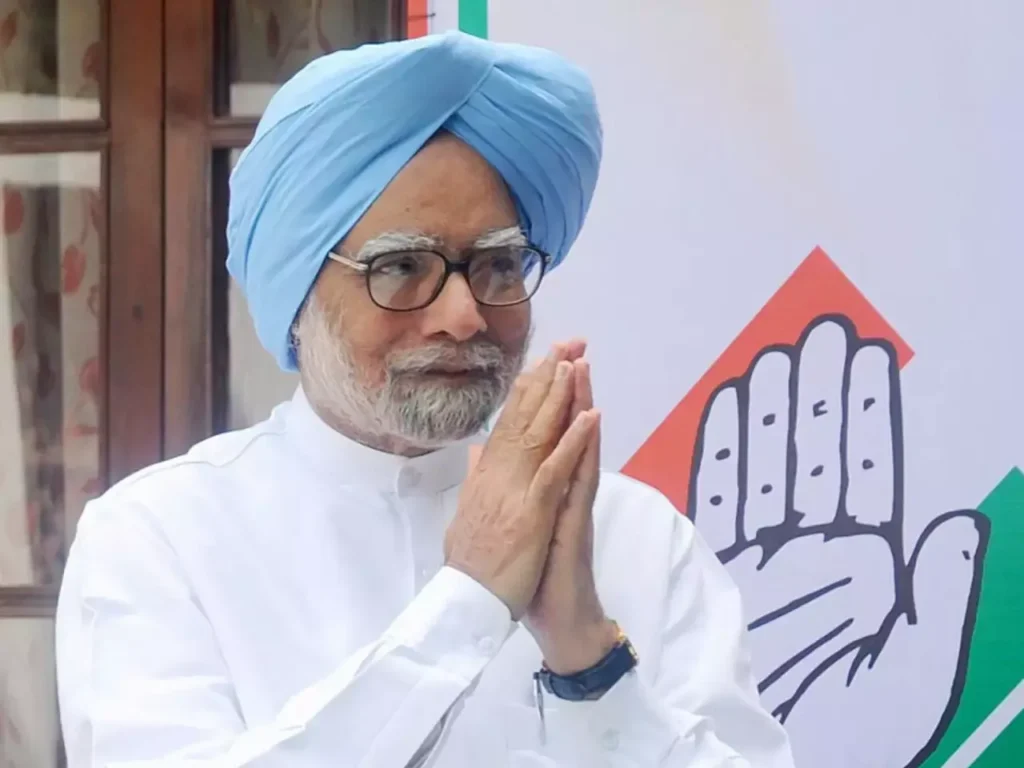
9. Dr. Manmohan Singh (2004–2014) – The Economist Prime Minister
A technocrat-turned-politician, Dr. Singh is credited with steering India through the global economic crisis of 2008. His tenure saw high GDP growth, implementation of the RTI Act, and rural employment schemes like MNREGA.
Despite being faulted as a “silent PM,” his gracious leadership commanded respect from around the world. He also signed the India–US Civil Nuclear Agreement, a huge diplomatic success.
“Dr. Singh rarely spoke—but when he did, markets listened, and the world responded.”

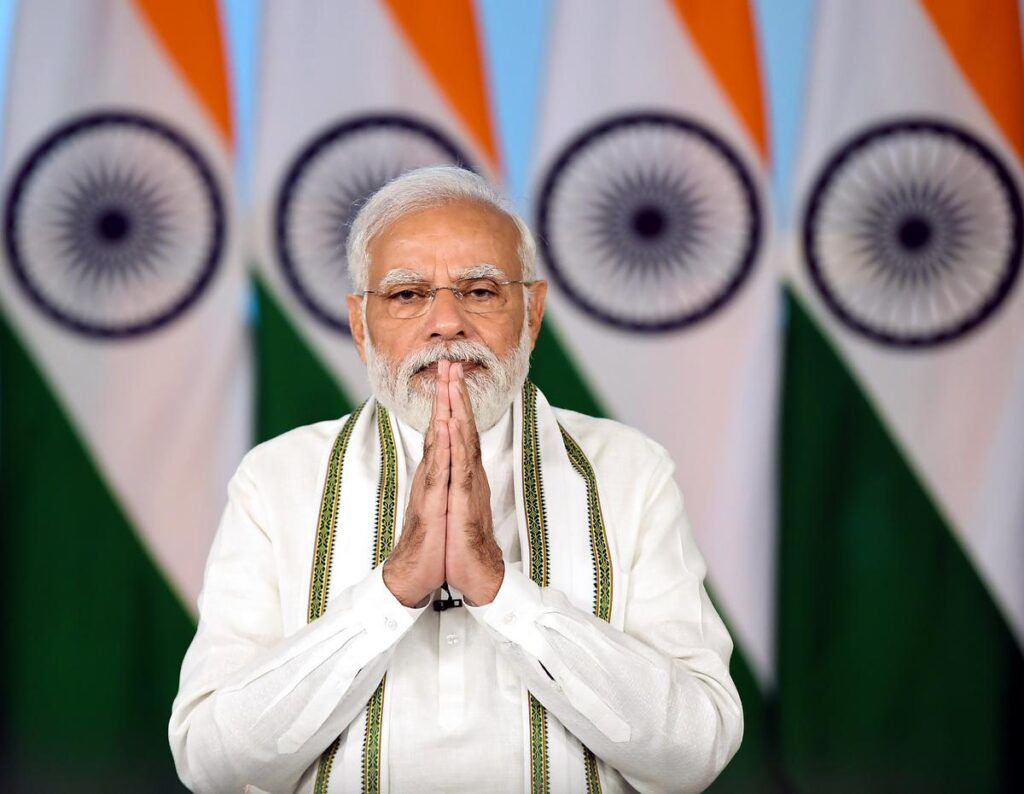
10. Narendra Modi (2014–Present) – The Transformer-in-Chief
Narendra Modi brought in a new style of leadership—bold, centralized and technology-driven. From grassroots origins, he redefined the political communication and election strategy paradigm.
Major initiatives of his time are Swachh Bharat Abhiyan, Digital India, UPI, Startup India, Ayushman Bharat, and the construction of Ram Mandir. Internationally, Modi boosted India’s global outreach through assertive diplomacy.
He also oversaw large-scale operations like:
- Operation Ganga (2022): Evacuation from Ukraine.
- Operation Kaveri (2023): Sudan Rescue.
- Operation Sindoor (2024–25): Strategic rescue and humanitarian operation in the Middle East conflict, highlighting India’s global preparedness.
Despite the controversy that has shrouded issues like centralization and socio-political polarization, his impact on government, technology, and international relations is not debatable.
“Modi did not only govern India, he altered its face before the world.”
These Prime Ministers were more than just individuals; they were representatives of their eras. Some were charismatic figures, others stoic survivors.
Some were reformers, others were warriors, but all left a legacy which still affects India’s past and future.
5 Surprising & Little-Known Facts About India’s PMs
- Only Atal Bihari Vajpayee had held the office of the PM thrice—albeit his first stint had lasted for just 13 days.
- Gulzarilal Nanda was Acting PM twice but never PM at all.
- Lal Bahadur Shastri passed away in office in Tashkent after signing a peace treaty.
- Charan Singh never faced Parliament—he resigned before establishing his majority.
- Dr. Manmohan Singh was the first Prime Minister to be re-elected after securing a full five-year term since Nehru.
- Narendra Modi was not a member of Lok Sabha when first sworn in as PM in 2014—he later fought and won from Varanasi.
- Indira Gandhi was a Prime Minister’s daughter and mother.
India’s Current Prime Minister in 2025: What’s the Buzz?
As of 2025, Narendra Modi was still India’s Prime Minister, an office he first assumed in May of 2014. A member of the Bharatiya Janata Party (BJP), Modi has built a strong international reputation, one based on nationalism, development, and digitization.
From path-breaking programmes such as Swachh Bharat Abhiyan, Make in India, and Startup India to large-scale operations such as Operation Ganga (evacuation from Ukraine) and Operation Sindoor (2024–25): Strategic rescue and humanitarian operation in the Middle East conflict, highlighting India’s global preparedness.
In the recent past, Modi’s administration passed new laws regulating personal data protection, revamped criminal justice codes, and implemented a new digital education system. Modi’s leadership is marked by public openness, particularly through his radio show “Mann Ki Baat” and social media.
Recent articles indicate increased momentum for his 2024 election campaign theme: “Viksit Bharat @2047”. The general public opinion is still mixed—praised for reforms, criticized for centralizing power.
The Prime Minister Today in Figures
- Years served: 11+
- Wins in Lok Sabha elections: 3 terms
- Approval rating (as of 2025): 60–65%
- Twitter followers: 95M+
- Large operations: Sindoor, Ganga, Vande Bharat
Prime Ministers Who Shaped Modern India
India’s Prime Ministers, in the past, have introduced revolutionary policies:
- Green Revolution (Indira Gandhi): Increased food security through agricultural innovation.
- Economic Liberalization (P. V. Narasimha Rao): Made India accessible to foreign markets, privatization, and FDI.
- Digital & Infrastructure Drive (Narendra Modi): UPI, Digital India, smart cities, Bharatmala highways.
These programs didn’t only impact GDP—these programs transformed the way Indians live, work, and interact. The current tech startups, road infrastructure, food autonomy, and digital payments are all thanks to the visionary choices of these leaders.
“Here’s how they helped shape the India you know today.”
Chronology of Key Milestones Under Each PM
- Nehru: IITs, ISRO, Planning Commission
- Shastri: White Revolution, Indo-Pak War
- Indira Gandhi: Emergency, Bangladesh war
- Morarji Desai: End of Emergency
- Rajiv Gandhi: Telecom revolution
- Narasimha Rao: Economic reforms, LPG policy
- Vajpayee: Pokhran-II, Golden Quadrilateral
- Manmohan Singh: RTI Act, Nuclear Deal with US
- Modi: UPI, Swachh Bharat, Operation Sindoor, Ayushman Bharat
- A graphical concept: implement a scrollable timeline so one can navigate easily.
Challenges Confronting Indian Prime Ministers
Being India’s PM is not easy. Challenges have been:
- Coalition Politics: Managing divergent allies, especially in the 1990s and 2000s.
- Economic Crisis: From balance-of-payment problems (1991) to COVID-19 aftermath.
- External Threats: Wars between China and Pakistan, terrorism.
- Internal Challenges: Intercommunity tensions, local movements, farmer protests.
Balancing growth with social harmony and federal stability is a tightrope act.
Conclusion
From Nehru’s planning to Modi’s digital drive, each PM left a distinct footprint on India’s identity. A few ruled in war, some in peace—but all lent their hands in crafting the India we know today. “Each Prime Minister has left a mark—some significant, some controversial, but all lasting.”
Which do you believe had the longest lasting legacy as India’s PM?
Let us know below!
If this article has illuminated India’s political journey for you, consider sharing it with someone who is preparing for exams or is simply curious about Indian leaders.