


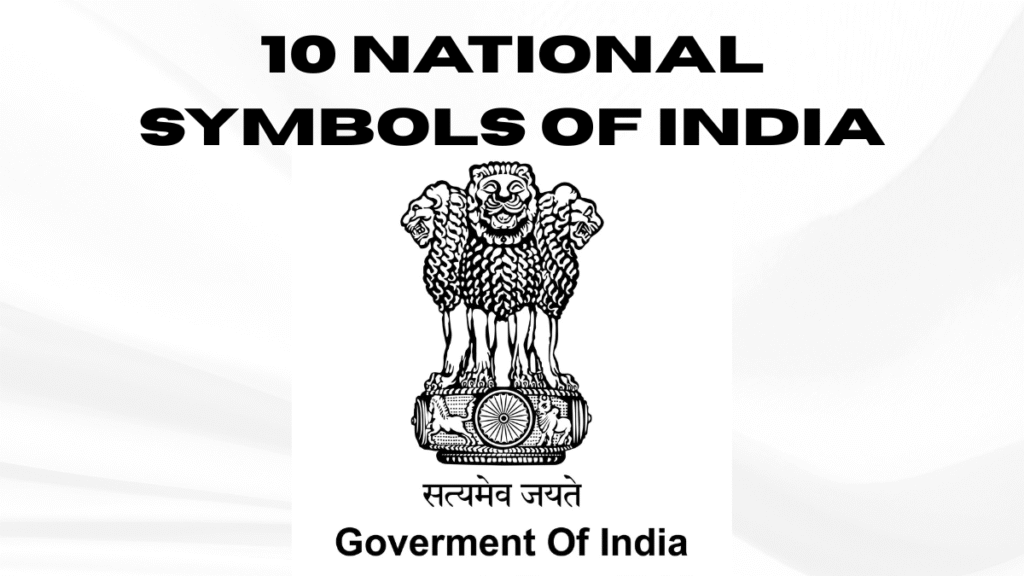
In a multiculturally diverse country like India, national symbols are strong unifying forces that hold its many cultures, languages, and traditions together. These symbols such as the Tricolour Flag, the Lion Capital of Ashoka, the Bengal Tiger, and the Lotus are not just simple images; they represent the soul, the past, and the aspirations of the country.
Role in Nation-Building
National symbols serve an important role in fostering national pride, cultural practices, and the unity of the diverse masses of India. They remind all of us of the common values we share and our common identity, motivating citizens to follow the values they stand for.
Unifying India’s Diversity
The strength of India comes from unity in diversity. It goes beyond geographical, linguistic, and cultural differences and gives each one a sense of belonging. National symbols are the common ground that brings the diverse people of the country together under one identity.
Relevance to Competitive Exams
For students who wish to appear for competitive exams such as UPSC, SSC, and banking services, one has to learn the national symbols in detail. Questions regarding the same typically appear in general awareness sections, assessing what the candidates are aware of regarding India’s history and culture.
Quick Reference: National Symbols of India
India’s national symbols reflect the country’s rich heritage, cultural diversity, and collective identity. For the aspiring candidates appearing for competitive exams, it is important to understand these symbols. Here is a structured table for your ready reference:
| Symbol Type | Name |
| National Flag | Tiranga (Tricolour) |
| National Emblem | Lion Capital of Ashoka |
| National Anthem | Jana Gana Mana |
| National Song | Vande Mataram |
| National Currency | Indian Rupee (₹) |
| National Calendar | Saka Calendar |
| National River | Ganga |
| National Animal | Royal Bengal Tiger |
| National Bird | Indian Peacock |
| National Tree | Indian Banyan Tree |
| National Flower | Lotus |
| National Fruit | Mango |
| National Vegetable | Pumpkin |
| National Reptile | King Cobra |
| National Aquatic Animal | Ganges River Dolphin |
| National Heritage Animal | Indian Elephant |
| Oath of Allegiance | National Pledge |
| National Microbe | Lactobacillus delbrueckii |
| National Motto | Satyameva Jayate |
| National Game | Hockey |
A Thorough Review of India’s National Symbols

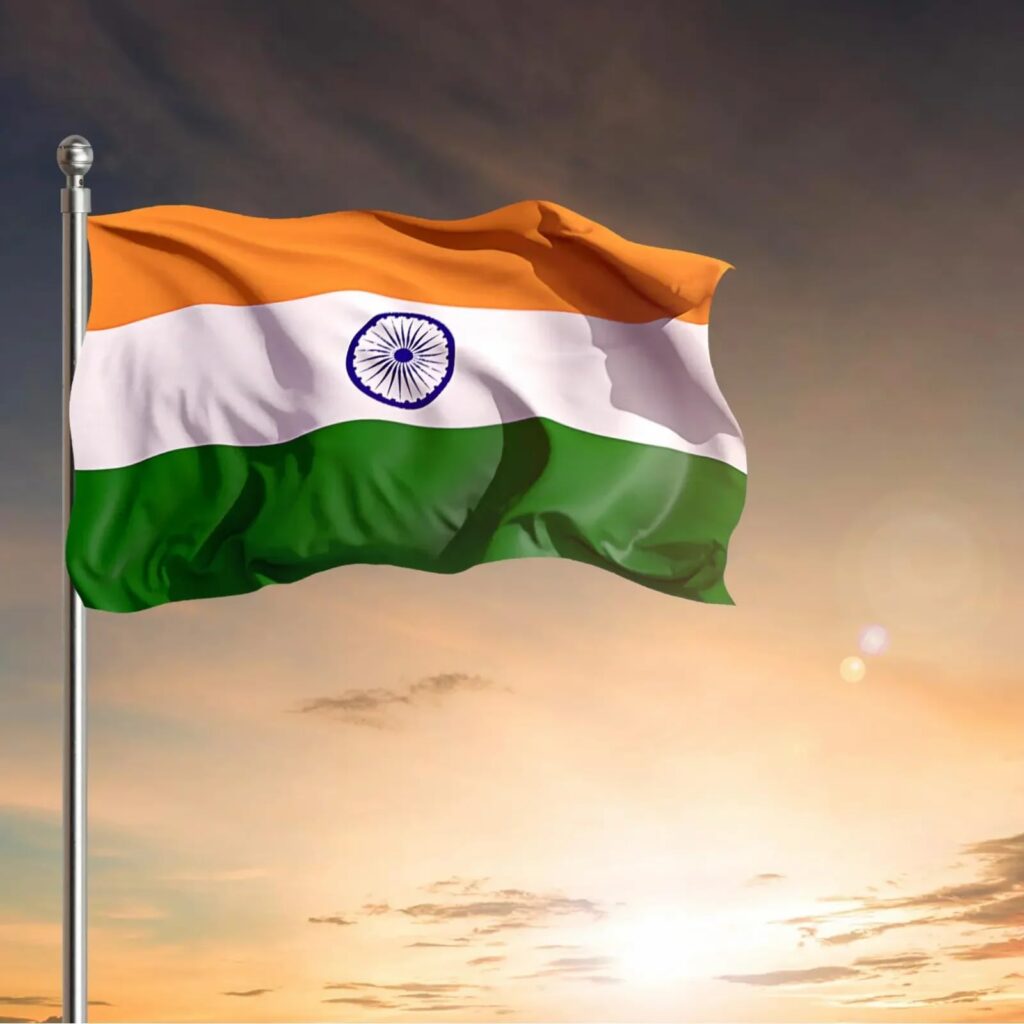
National Flag – Tiranga
Approved: July 22, 1947
Background: Pingali Venkayya created the Tiranga that symbolizes India’s diversity and unity. Saffron stands for courage, white for peace, and green for prosperity. The 24-spoked navy blue Ashoka Chakra depicts the wheel of law that is unending.
Key Facts: Its use is governed by the Flag Code of India, adopted in 2002. The Tiranga is flown high on national holidays like Independence Day and Republic Day.
Current Relevance: The ‘Har Ghar Tiranga’ campaign inspires citizens to showcase the flag at their homes, nurturing a spirit of patriotism.

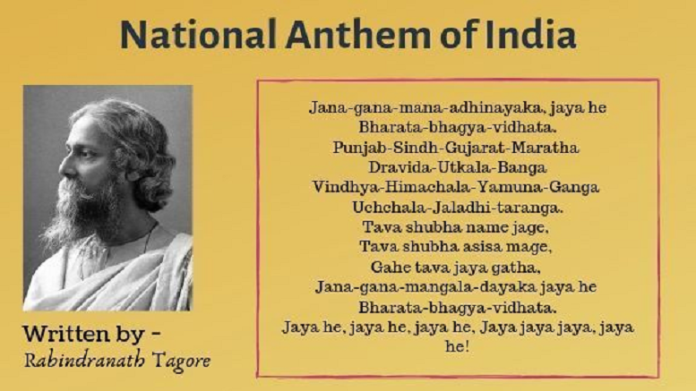
The National Anthem – Jana Gana Mana.
Adopted: January 24, 1950
Written by Rabindranath Tagore in 1911, it was performed during the Calcutta Session of the Indian National Congress.
Key Facts: Of the first five stanzas, only the first one is officially recognized as the national anthem. It wonderfully depicts India’s unity in diversity.
Relevance to the Present: Performed during school assemblies and state events, it generates a deep sense of national pride.

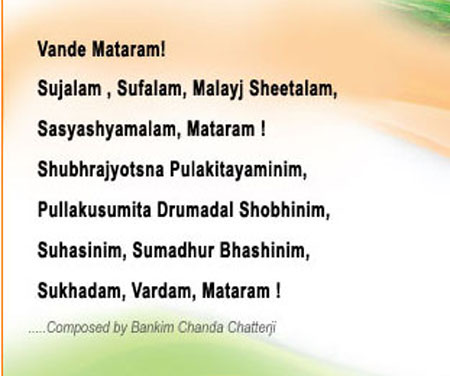
National Anthem – Vande Mataram
Adopted: January 24, 1950
Written by Bankim Chandra Chatterjee during the 1870s, it was included in his novel ‘Anandamath’.
Key Facts: The song turned into an integral anthem of the freedom struggle, stirring the revolutionaries’ spirits.
Relevance today: It is sung during national holidays, yet still evokes patriotic sentiment.

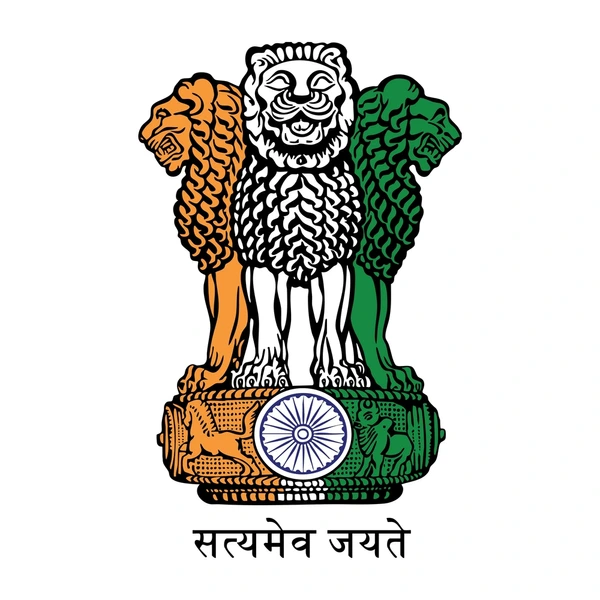
National Symbol – Lion Capital of Ashoka
Adopted: January 26, 1950
Background: Inspired by the Ashokan pillar located in Sarnath, it showcases four Asiatic lions standing majestically back to back.
Key Facts: The ‘Satyameva Jayate’ (Truth Alone Triumphs) slogan of the Mundaka Upanishad is on the emblem.
Contemporary Significance: It is found on all government documents and currency and represents sovereignty and authority.

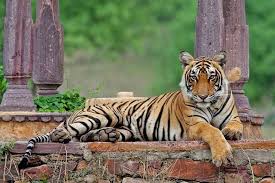
National Animal – Royal Bengal Tiger
Adopted: 1973
Chosen for its tremendous strength, agility, and beauty, the tiger represents India’s rich wildlife heritage.
Key Facts: Project Tiger was launched in 1973 to protect this endangered species.
As of 2025, India’s tiger numbers have surpassed 3,600, more than doubling since 2010, a feat achieved through sustained conservation efforts.

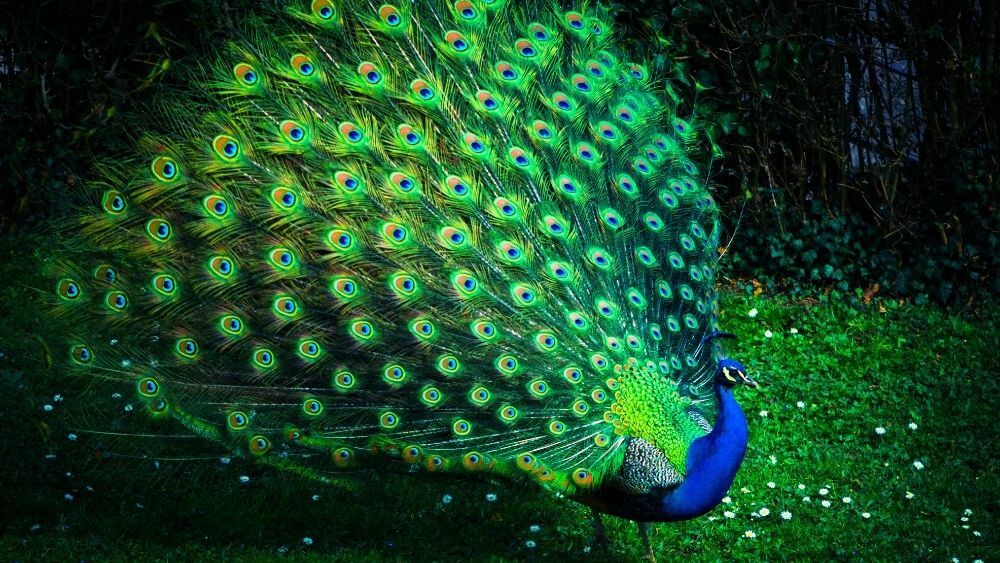
National Bird – Indian Peacock
Adopted: 1963
Background: The peacock, native to the Indian subcontinent, is held in great esteem in Indian art and myth.
Key Facts: Its shining feathers and smooth movements capture beauty and elegance.
Relevance to the Present: Protected under the Wildlife Protection Act, it thrives in various parts of India.


National Flower – Lotus
Adopted: 1950
Background: The lotus represents purity, enlightenment, and rebirth in Indian culture.
Key Facts: Even while flourishing in murky waters, it remains untouched, embodying spiritual resilience.
Relevance Today: It is ubiquitous in Indian art, architecture, and currency, reflecting profound cultural meaning.


National Tree – Banyan Tree
Adopted: 1950
Referred to as ‘Kalpavriksha,’ the wish-granting tree is the personification of longevity and immortality.
Key Facts: Its extensive canopy provides shelter, usually serving as a focal point in the rural areas.
Relevance to Today: The banyan tree forms a part of ecological balance, with diverse flora and fauna.

National River – Ganga
Approved: 2008
The holy Ganga is also anthropomorphized in Hindu mythology as goddess Ganga.
Key Facts: It’s the lifeline for millions, sustaining agriculture, industry, and livelihoods.
Relevance to Current Times: The ‘Namami Gange’ program intends to revive the river, safeguarding both its purity and flow.

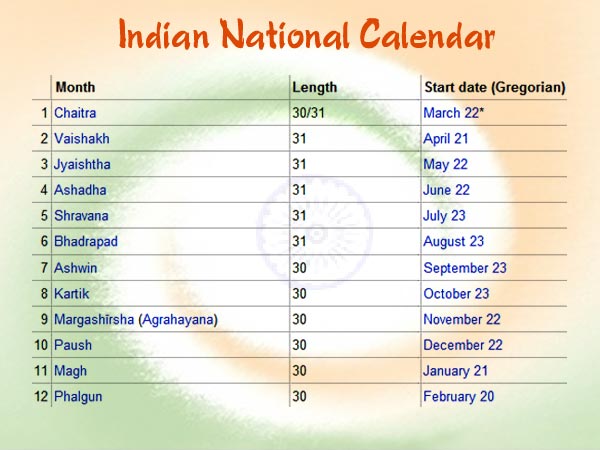
The National Calendar – Saka Calendar
Passed: March 22, 1957
The history is based on the Saka Era, which correlates perfectly with the Gregorian calendar for official purposes.
Important Facts: Since it is in the government communications, it begins on Chaitra 1, which is March 22.
Relevance Today: It co-exists with the Gregorian calendar in official usage and on the radio.

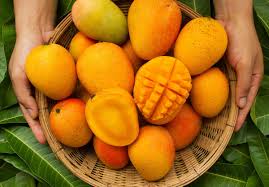
National Fruit – Mango
Adopted: 1950
Background: Cultivated in India for over 4,000 years, mangoes have their roots in Indian culture.
Key Facts: The Alphonso and Kesar are rated as the ‘King of Fruits’ and are globally famous.
The Gujarat Kesar Mango Festival, held every year, encourages mango cultivation as well as mango consumption.


National Aquatic Animal – Ganges River Dolphin
Adopted: 2009
Background: Known as ‘Susu’, it inhabits the Ganges-Brahmaputra-Meghna and Karnaphuli-Sangu river systems.
Key Facts: Blind and dependent on echolocation, it’s a barometer of a healthy river environment.
Today, the conservation process still protects this species from extinction by preserving its environment.

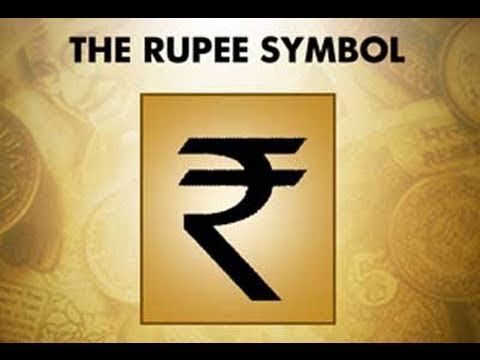
Symbol of National Currency – ₹
Adopted: July 15, 2010
During its creation, D. Udaya Kumar cleverly combined the Devanagari letter ‘Ra’ and the Roman ‘R’.
Key Facts: The symbol represents India’s economic aspirations and cultural heritage.
Relevance Now: It is used mostly in business transactions, i.e., India’s increasing presence in the world economy.


National Reptile – King Cobra
Approved: 2010
Background: The world’s longest venomous snake, it’s revered in Indian mythology and culture.
Key Facts: Contrary to its intimidating reputation, it shuns contact with people and is an essential part of the ecosystem.
Relevance Today: Protected by the Wildlife Protection Act, it is crucial in maintaining ecological balance.


National Heritage Animal – Indian Elephant
Approved: 2010
Background: A part of Indian tradition, it is associated with Lord Ganesha and represents power and wisdom.
Key Facts: Project Elephant was initiated in 1992 with the objective of conserving elephant habitats and corridors. Now, conservation aims at reducing human-elephant conflict while safeguarding their habitat.

National Pledge Adopted: 1962
Background: Composed by Pydimarri Venkata Subba Rao, it depicts unity, integrity, and patriotism.
Key Facts: Read in schools during morning assemblies, teaching national values to students
Relevance Today: It is still included in the daily routine in schools all over India. Its sport of choice is hockey.
Adopted: Not officially adopted.
Background: India’s supremacy in the sport of field hockey, particularly in the mid-20th century, made it popular.
Key Points: India has achieved 8 Olympic gold medals in the sport of hockey, a record for any country. Relevance Now: Although it is not the national game by virtue of official status, hockey remains a historically significant sport in India.
The Importance of These Symbols (150 Words)
National symbols are more than just markers – they are the living expression of India’s history, constitutional values, and pride. Icons and symbols such as the Ashoka Chakra and the Lotus are reminders of the nation’s dharma and purity and its essence. The understanding of these symbols greatly helps all of us in appreciating India’s unity in diversity.
For competitive exam takers, the national symbols feature prominently in the Prelims, SSC, State PCS, and UPSC MCQ sections. They also aid in formulating constructive responses, particularly in the Essay and General Studies Mains papers through cultural references.
In addition, knowledge of these symbols reflects concern for the national identity, which is treasured in civil servants and informed citizens. Remembering the year the National Anthem was adopted, or the conservation status of the Royal Bengal Tiger, enhances citizenship while improving exam results.
Thus, to not use this information effectively would be a monumental misstep.
Misconceptions & Exam Tips
Common Misconception: India’s national game is not hockey, as it has no declared national game.
Revision Tip: Nature-based group symbols for easy recall:
Animal, Bird, Tree, Flower, Fruit, River and Culture-political: Flag, Emblem, Anthem, Government song, Government calendar and Others: Currency Symbol, Water Animal, Pledge, Reptile.
Mnemonic: For symbols of the natural “A Big Tiger Prefers Mangoes Under Green Trees” is evergreen, lasting for recollection.
Conclusion: Preserving Our Identity
India’s national symbols should not just be patronized as facts, but pieces of our identity. We bear the pride of stewards, champions, them so we must cherish, defend, and advocate them. Their protective value on foreign youth fosters hope and responsibility.
We should not only strive to pass examinations. Dozens twin our lives as inheritances for hundreds of generations, emblem the embraced history we owe.